
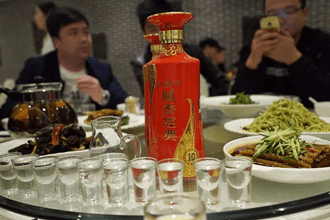

At the heart of any memorable dining experience lies the perfect pairing of wine, spirits, and food. And when it comes to Vietnamese cuisine, nothing beats the exquisite combination of flavors and aromas created by the right pairing of rượu ngoại . Whether you’re planning a romantic date, a special occasion, or simply treating yourself to a delicious meal, here’s why adding rượu ngoại to your dining experience is a must-try.
Unlocking the Magic of Rượu Ngoại
Rượu ngoại, or “imported liquor,” refers to a variety of distilled spirits that are typically enjoyed alongside traditional Vietnamese dishes. These spirits are known for their bold, complex flavors and deep cultural significance, making them an integral part of Vietnamese food culture.
One of the most popular types of rượu ngoại is rice wine, which is made from fermented glutinous rice and typically has an alcohol content of 29% to 60%. This type of liquor is often aged in wooden barrels and boasts a rich, earthy flavor that pairs well with a wide range of dishes.

The Perfect Complement to Vietnamese Cuisine
Vietnamese cuisine is known for its delicate balance of flavors, combining sweet, sour, spicy, and savory elements to create a harmonious taste experience. And just like how different ingredients come together to create a delicious dish, rượu ngoại plays a crucial role in enhancing the flavors of Vietnamese food.
The strong, complex flavors of rượu ngoại work particularly well with dishes that feature aromatic herbs and spices, such as lemongrass, ginger, and chili. This makes it a perfect accompaniment to popular Vietnamese dishes such as phở, bánh mì, and bún chả.
Exploring Different Pairings
One of the joys of indulging in rượu ngoại is experimenting with different pairings to find the perfect match for your taste buds. The key is to balance the flavors of the food and the spirit, so one doesn’t overpower the other.
If you’re dining on hearty, flavorful dishes like beef stir-fry or grilled pork, consider pairing them with a bolder, aged rice wine. For lighter, delicate dishes such as spring rolls or vermicelli noodles, a younger, smoother rice wine may be a better choice.
You can also try pairing different types of spirits with your meal, such as plum wine or corn liquor. These varieties offer unique flavor profiles that can bring out the best in certain foods.
The Fine Art of Pairing Wine and Spirits
When it comes to pairing wine and spirits, most people tend to focus on the flavors of the food and the alcohol content of the drink. However, there are many other factors to consider, such as the temperature and texture of the food, as well as the body, acidity, and tannins of the wine or spirit.
For example, if you’re enjoying a spicy dish, a high-alcohol spirit can help cut through the heat and cleanse your palate. Similarly, if you’re eating a rich, creamy dish, a crisp, acidic wine can help refresh your taste buds and prevent the dish from feeling too heavy.
A Culinary Adventure Awaits
Pairing rượu ngoại with Vietnamese cuisine is more than just finding the right flavors – it’s a journey that allows you to explore different combinations, discover new tastes, and appreciate the cultural significance of both the food and the spirits.
So why not elevate your next dining experience with the perfect pairing of rượu ngoại and Vietnamese food? You’ll be surprised by how much more enjoyable and memorable your meal will be with this essential Vietnamese tradition. Cheers!